
Coding bootcamps have become a popular choice for those looking to break into the tech industry. These intensive programs promise to teach programming skills in a short time. However, in the current Job market are Coding bootcamps worth it?
But are coding bootcamps worth it?

The tech industry is booming, and the demand for skilled professionals is high. Many people are considering coding bootcamps as a fast track to a tech career. However, the decision to enroll in a bootcamp is not simple.
Bootcamps are known for their rigorous schedules and hands-on learning approach. They offer a practical alternative to traditional computer science degrees. But they also come with a significant financial investment.
The cost of a coding bootcamp can range from $7,000 to $20,000. Some bootcamps offer financing options like income share agreements. This allows students to pay tuition after securing a job.
Graduates often find jobs in tech roles such as software development and data analysis. The average salary increase for bootcamp graduates is around 50%. Yet, success is not guaranteed and depends on individual effort.
Reviews on platforms like Reddit provide mixed feedback. Some graduates praise the experience, while others highlight challenges. This article will explore these aspects to help you decide if a coding bootcamp is right for you.
What Are Coding Bootcamps?
Coding bootcamps are intensive educational programs designed to teach programming skills quickly. They cater to those who need to upskill or pivot into tech swiftly. Typically, these bootcamps run for 8 to 24 weeks, offering a condensed and focused learning experience.
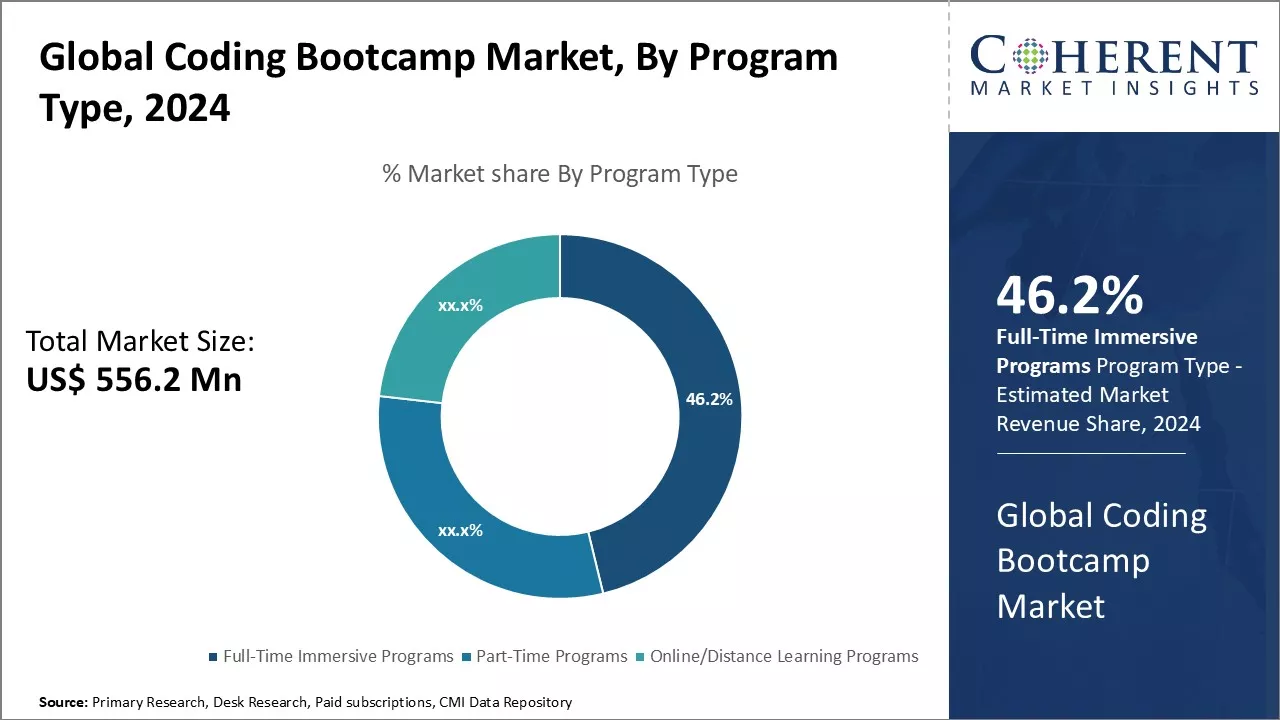
The primary appeal of coding bootcamps is their practical, hands-on approach. Unlike traditional degrees, bootcamps emphasize real-world projects that mimic industry scenarios. This method aims to prepare students for immediate employment upon graduation.
Bootcamps cover various programming languages and technologies. Here’s what you might learn:
- Web development languages like HTML, CSS, and JavaScript.
- Backend frameworks such as Node.js or Ruby on Rails.
- Essential software development tools like Git and GitHub.
Career services often accompany the technical training. Many bootcamps include resume workshops, networking events, and interview preparation as part of their curriculum. This support aims to enhance employability and ease the transition into the tech industry.
In summary, coding bootcamps offer an accelerated path to gaining programming skills with a strong focus on employability. By providing practical skills, career services, and industry insights, they position graduates for entry-level roles in the tech landscape. However, careful consideration of personal goals and learning preferences is essential before enrollment.
How Do Coding Bootcamps Work?
Coding bootcamps use a structured, immersive learning model to teach programming. Unlike traditional courses, bootcamps focus on active learning through projects and exercises. This method helps students apply skills in real-world scenarios, which is essential for tech careers.
Typically, bootcamp programs are designed to maintain an intensive pace. Students often commit full-time, dedicating 60 to 80 hours per week to coursework and projects. This fast pace is crucial to cover a wide range of skills in a short time frame.
Most bootcamps include several core components:
- Lectures and Workshops: Instructors lead sessions on various coding topics.
- Hands-on Projects: Students work on individual or group projects to build a portfolio.
- Pair Programming: Collaborative coding exercises enhance problem-solving skills.
- Career Support: Includes interview coaching and networking opportunities.
Throughout the bootcamp, students receive feedback and guidance from instructors and peers. This continuous support aids in mastering challenging concepts and adapting to the tech industry’s demands. Bootcamps encourage a collaborative, community-oriented environment, which is beneficial for networking and peer learning.

Overall, coding bootcamps provide a rigorous educational journey combining structured lessons with practical application. Their goal is to prepare students to enter the tech field with confidence and competence.
Coding Bootcamp Cost and Financing Options
The cost of attending a coding bootcamp can vary significantly. On average, students can expect to pay between $7,000 and $20,000. The price depends on the length, location, and reputation of the program.
Many bootcamps offer various financing options to make payments more manageable. Students can choose from several plans, including upfront payment, monthly installments, and deferred tuition agreements. These options provide flexibility for different financial situations.
One popular financing method is the Income Share Agreement (ISA). With an ISA, students agree to pay a percentage of their future income for a set period after securing a job. This option aligns bootcamp success with student outcomes, as payment depends on employment.
Additionally, scholarships are available for those who qualify. Many bootcamps offer need-based or merit-based scholarships, reducing the cost for talented individuals. It’s worth researching each program’s scholarship opportunities to find financial aid options.
Here’s a breakdown of common financing options:
- Upfront Payment: Pay the full tuition before starting.
- Payment Plans: Spread costs over months with installment agreements.
- Income Share Agreements: Pay based on future earnings after job placement.
- Scholarships: Qualify for reduced tuition based on specific criteria.
Understanding these options is key for prospective students. Proper financial planning ensures the investment in a coding bootcamp is feasible and aligns with long-term career goals.
Coding Bootcamp Outcomes: Jobs, Salaries, and ROI
After completing a coding bootcamp, graduates often seek tech roles. Many find jobs as software developers, web developers, or data analysts. The practical skills acquired in bootcamps make them attractive to employers.
The job market for tech professionals continues to expand. This growth increases the chances of finding employment post-bootcamp. However, landing a job isn’t guaranteed, as success hinges on effort and market conditions.
Bootcamp graduates frequently experience significant salary increases. On average, there’s around a 50% salary boost after completing a program. This increase makes bootcamps an appealing investment for many students.

Despite the promising salary increases, the return on investment (ROI) can vary. Factors influencing ROI include prior experience, location, and the industry demand. Analyzing these factors is crucial when deciding to enroll.
Here’s what influences ROI for bootcamp graduates:
- Previous Experience: Prior tech experience can boost job prospects.
- Location: Regions with high demand for tech talent offer better pay.
- Industry Demand: High-demand areas, like AI or cybersecurity, can yield higher returns.
The most successful bootcamp graduates often continue learning post-graduation. Lifelong learning and adaptability contribute to career advancement and satisfaction. Evaluating potential outcomes is essential for setting realistic expectations about investing in a bootcamp.
Coding Bootcamp Reviews: What Graduates and Reddit Say
Coding bootcamps have garnered varied feedback online. Graduates often share their experiences on platforms like Reddit, providing insights into the bootcamp journey. These reviews are invaluable for prospective students.
Many graduates praise bootcamps for their hands-on approach and practical skills training. They appreciate the opportunity to work on real-world projects and build strong portfolios. This practical focus makes bootcamps stand out from traditional education.
Despite the positive feedback, there are also criticisms. Some graduates mention the intense pace and workload as being overwhelming. Others point out that job placement assistance varies, depending on the program.
Reddit discussions highlight the importance of self-motivation and diligence. Success hinges on individual dedication and extra practice outside scheduled hours. Here are some recurring themes from Reddit and graduate reviews:
- Positives: Practical skills, strong portfolios, supportive communities.
- Negatives: Fast pace, varied job assistance, high tuition costs.
- Advice: Be self-driven, prepare for intensity, and research bootcamp reputation.
Bootcamp reviews are crucial for understanding potential challenges and rewards. Prospective students should consider both positive experiences and criticisms in making informed decisions. Real stories from graduates can help determine if a bootcamp aligns with one’s career goals and learning style.
Comparing Bootcamps to Other Learning Paths
When considering coding education, there are several paths. Understanding the differences helps make an informed choice.
Traditional computer science degrees offer a comprehensive education. These programs span several years, providing deep theoretical knowledge but requiring significant time and financial investment.
Self-learning is another option. Many free and low-cost resources are available online. This path offers flexibility but demands high self-motivation and discipline. Without structure, it can be challenging to maintain focus and progress.
Bootcamps offer a middle ground, blending speed and structure. Compared to degrees, they are quicker and often cheaper. Compared to self-learning, they provide guidance and a clear curriculum. Here’s a breakdown of learning paths:
- Degrees: Lengthy, costly, theoretical depth.
- Self-learning: Flexible, low-cost, requires discipline.
- Bootcamps: Structured, fast-paced, practical focus.
Each path has its pros and cons. Those wanting a thorough education might favor degrees. Self-motivated learners might opt for independent study. Bootcamps attract those seeking quick entry into tech with practical skills. Evaluating these paths helps align educational choices with career goals. Understanding personal learning style and needs is crucial in choosing the right route.
Who Should Consider a Coding Bootcamp?
Coding bootcamps are not one-size-fits-all solutions, but they can be ideal for certain individuals. Understanding if a bootcamp fits your career and learning style is essential.

First-time coders with some prior knowledge often benefit most. Bootcamps focus on practical skills, making prior coding familiarity advantageous. Quick learners or those who thrive in fast-paced environments often succeed in bootcamps. The structure suits people who can handle intensive study loads.
Career changers aiming to enter the tech field swiftly might find bootcamps appealing. These programs offer a condensed learning timeline, allowing faster transitions than traditional degrees. A bootcamp suits those who learn best through hands-on activities. If long lectures don’t appeal to you, the applied learning focus might resonate.
Consider a bootcamp if you value networking opportunities. Many bootcamps offer connections to industry professionals and peers. Here’s a quick checklist of potential bootcamp candidates:
- Familiar with basic coding concepts.
- Prefer hands-on, project-based learning.
- Looking to pivot careers quickly.
- Self-motivated and disciplined.
- Eager to network in the tech industry.
Evaluating these aspects helps identify if a bootcamp matches your personal and professional needs. Take a realistic look at your goals and how you learn best.
Key Factors to Evaluate Before Enrolling
Before enrolling in a coding bootcamp, evaluate several critical factors. These elements will help ensure that a bootcamp meets your needs and expectations.
First, assess the bootcamp’s curriculum and teaching methods. Does it focus on the specific skills you want to learn? Consider how up-to-date the content is and whether it aligns with industry demands.
Next, examine the program’s success metrics. Look into graduation rates, job placement statistics, and alumni success stories. These figures can indicate the bootcamp’s effectiveness in preparing students for tech careers.
Financial considerations are also vital. Take a close look at tuition costs, available financial aid, and any income share agreements. Determine if the financial commitment aligns with your budget and career goals.
Consider the bootcamp’s support network. Many programs offer career services, mentorship, and a sense of community, which can be beneficial. Here are essential factors to research:
- Curriculum relevance and industry alignment.
- Success rates and alumni outcomes.
- Total cost and financing options.
- Availability of support and career services.
By evaluating these factors, you can make an informed decision about whether a coding bootcamp is the right move for your career.
Tips for Maximizing Your Bootcamp Experience
Maximizing your coding bootcamp experience involves proactive engagement and smart strategies. Begin by setting clear, achievable goals for what you want to accomplish.
Stay organized and manage your time efficiently. Bootcamps are intensive, so prioritize tasks and allocate time for each activity. This approach can prevent overwhelm and ensure consistent progress.
Utilize the resources available to you. Take advantage of career services, attend workshops, and engage with mentors. Participation can enrich your understanding and provide networking opportunities.

Build a strong community by connecting with peers. Sharing experiences and challenges fosters support and can lead to collaborative problem-solving. This network can also extend beyond the program and aid your career growth.
To make the most of your bootcamp, consider these tips:
- Set clear personal and professional goals.
- Organize your schedule and stick to it.
- Engage actively with available resources and mentors.
- Develop a supportive peer network.
By following these strategies, you will enhance your learning experience and increase your odds of success in the tech industry.
Are Coding Bootcamps Worth It? Final Thoughts
Deciding if coding bootcamps are worth it is a personal choice. They offer a fast track into tech but require commitment. For many, the benefits, such as hands-on experience and industry connections, are compelling.
Bootcamps can be more affordable and quicker than a degree. However, they’re not a guaranteed path to a job. It’s crucial to balance expectations and assess the local job market dynamics.
Success in a bootcamp often depends on personal effort, learning style, and career goals. Researching bootcamps thoroughly and understanding your needs will guide you in making the best decision. For motivated individuals, bootcamps can be transformative, opening doors to new opportunities in the tech industry.