Master negotiating job offers with confidence. Discover salary negotiation tactics and benefits discussions to secure a favorable compensation package.
When you’re discussing a job offer, it’s important to consider the immigration and visa rules, especially if you’re from another country. Getting a job often depends on whether you’re allowed to work legally in that country, so you need to know how the visa process works and if the employer will help with sponsorship.
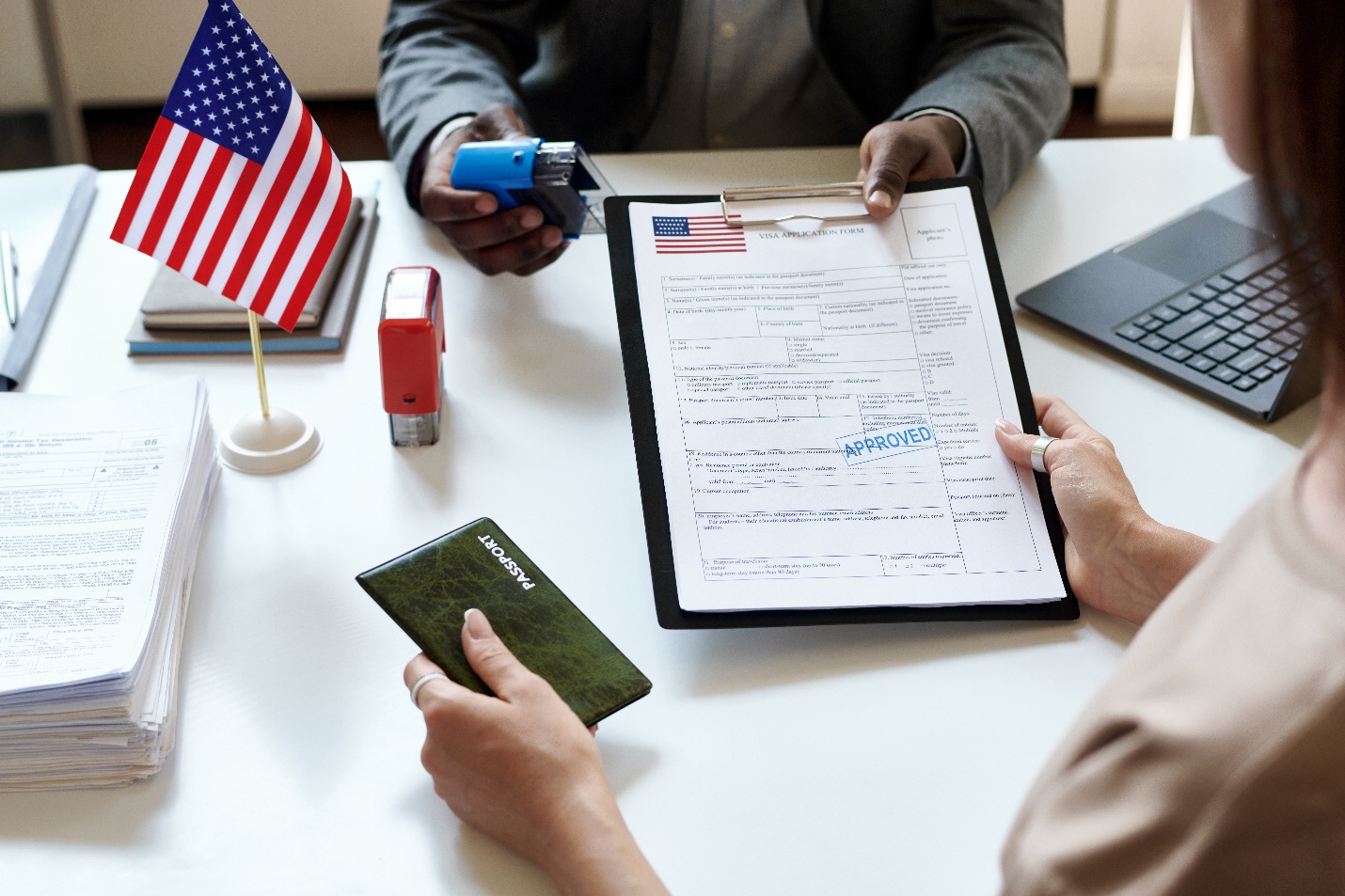 Many employers want candidates to have a valid work visa or be able to get one through sponsorship. Getting a visa sponsored can be complicated and take a lot of time, with paperwork, fees, and deadlines. It’s a good idea to ask early on if the employer can give you visa sponsorship and the help they can provide.
Some visas also have limits on the kind of work you can do, how long you can stay, or need to be renewed after a while. These rules can affect your job security and future plans. Talking about these things during negotiations helps avoid problems later.
If immigration is an issue for you, try to negotiate for help with moving costs, legal support for your visa, or flexible start dates to allow time for visa processing. Clarity about immigration helps you understand the work options you have and negotiate a better job offer that suits your requirements.
Navigating Job Offers: How to Negotiate Salary Benefits
Receiving a job offer is an exhilarating moment, marking the culmination of your job search efforts and the beginning of a new professional chapter. However, it also presents a pivotal decision-making opportunity. One of the most crucial steps in this process is negotiating your salary and benefits. While this task can seem daunting, approaching it with the right strategies can empower you to secure a compensation package that aligns with your professional worth and personal needs. In this article, we’ll delve into effective negotiation tactics and provide practical advice on how to confidently navigate job offers, transforming a potentially stressful situation into a positive experience.
Understanding the Importance of Negotiation
Negotiating a job offer is not merely about securing a higher salary. It encompasses a broader conversation about benefits, work conditions, and other job aspects that are significant to you. This is your chance to shape
your employment terms to better fit your life and career goals. By fully understanding and utilizing the scope of what’s being offered, you make informed decisions that could significantly impact
your job satisfaction and long-term career trajectory.
Why Negotiate?
Many individuals hesitate to negotiate, fearing that it might endanger their job offer. However, negotiation is a standard expectation in the hiring process. Employers often anticipate some level of negotiation and view it as a sign of a candidate’s confidence and self-awareness. Successfully negotiating demonstrates that you understand your value and are willing to advocate for your needs and contributions. Moreover, negotiating can lead to increased job satisfaction, as you secure terms that better suit your life, reducing potential stress and dissatisfaction later.
 What Can Be Negotiated?
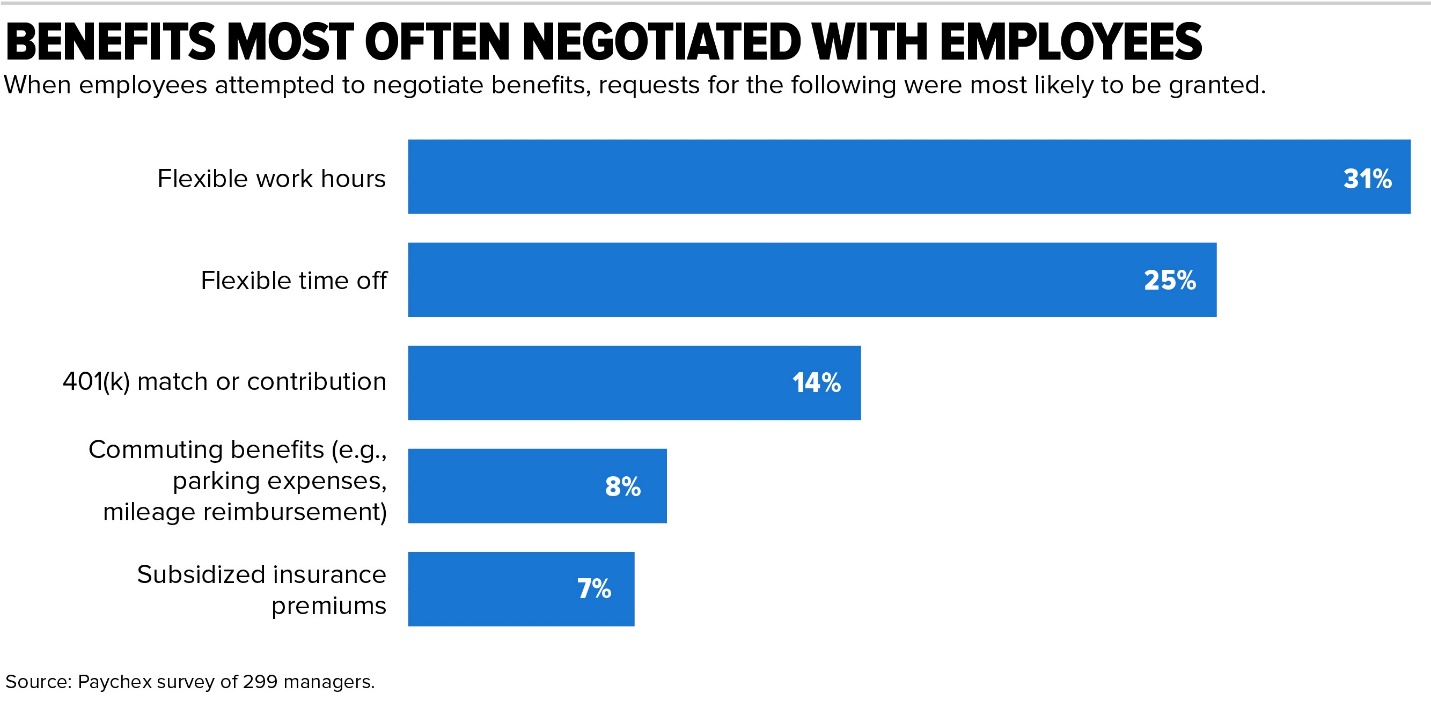
Negotiation is not limited to just your salary. Consider a comprehensive view of the offer, including:
- Health Insurance: Evaluate whether the health coverage offered meets your personal and family needs. Consider aspects like premiums, deductibles, and out-of-pocket expenses.
- Retirement Plans: Examine the employer’s contributions to your retirement savings. A generous matching plan can significantly enhance your long-term financial security.
- Paid Time Off (PTO): More vacation days or flexible leave policies can enhance your work-life balance, contributing to overall well-being.
- Remote Work Options: In today’s dynamic work environment, the ability to work from home can be a major perk. Discuss options for remote or hybrid work arrangements if they suit your lifestyle.
- Professional Development: Opportunities for further training, education, or professional growth are invaluable. They not only advance your career but also increase your value to the company.
Preparing for Negotiation
Successful negotiation hinges on thorough preparation. Before entering discussions, arm yourself with information and strategically plan your approach. Preparation not only boosts your confidence but also enhances your negotiation effectiveness, ensuring that you are ready to engage meaningfully with the employer.
 Research the Market
Understanding the typical salary range for your role within your industry and geographical area is crucial. Utilize platforms like Glassdoor, Payscale, and LinkedIn to gather insights about industry standards.
This research will help you establish realistic salary expectations and provide a foundation for your negotiation, strengthening your stance with data-driven arguments.
Know Your Worth
Conduct a self-assessment to reflect on your skills, experience, and significant achievements. Be prepared to articulate how your unique qualities and contributions will add value to the company. This understanding of your worth not only boosts your confidence but also equips you to effectively communicate your value proposition during negotiations, making a compelling case for your desired compensation.
Set Clear Goals
Before entering negotiations, clearly define what you hope to achieve. Identify and prioritize your needs, distinguishing between essential and negotiable terms. Establishing a clear bottom line will help
you stay focused, preventing you from being swayed by offers that don’t meet your minimum requirements. This clarity ensures that you approach negotiations with a strategic mindset,
aiming for outcomes that align with your professional and personal objectives.
Effective Negotiation Tactics
Armed with preparation, it’s time to engage in negotiation. Employing effective tactics can enhance your ability to navigate these conversations successfully. By approaching negotiations with
the right mindset and strategies, you increase the likelihood of reaching a mutually beneficial agreement.
 Timing is Everything
Strategically choose the right moment to initiate negotiation discussions. Ideally, these conversations should occur after receiving a formal job offer but before accepting it. This timing provides you with the
most leverage, as the employer has already expressed a clear interest in hiring you, making them more amenable to discussing terms.
Be Professional and Polite
Approach negotiations with a professional demeanor and a positive attitude. Employ a friendly and respectful tone to foster rapport with the hiring manager, as this sets the stage for a constructive dialogue. Remember, the goal is to reach a win-win outcome where both parties feel satisfied with the agreement.
Use Data to Support Your Request
Leverage the research you’ve conducted on industry standards and your accomplishments to underpin your requests. Presenting concrete data strengthens your case, demonstrating that your
compensation expectations are grounded in factual evidence rather than personal desires. This approach enhances your credibility and persuasiveness during negotiations.
Be Open to Compromise
Recognize that negotiations often involve compromise. Be prepared to make concessions on less critical points in exchange for securing what you truly value. Demonstrating flexibility can lead
to a more satisfying outcome for both parties, fostering goodwill and setting a positive tone for your future working relationship.
Practice Active Listening
Engage in active listening during negotiations. Pay close attention to the employer’s responses and ask clarifying questions when necessary. Understanding their perspective can help you
address their concerns and find common ground, enhancing the likelihood of reaching an agreement that satisfies both parties.
Handling Counteroffers
Occasionally, the employer may respond to your proposal with a counteroffer. Navigating this situation effectively requires careful consideration and strategic communication. By handling
counteroffers thoughtfully, you can continue to steer the negotiation towards a favorable outcome.
Evaluate the Counteroffer
Take the time to thoroughly assess the counteroffer, considering how it aligns with your priorities and whether it meets your minimum requirements. Don’t rush into a decision;
it’s perfectly acceptable to request additional time to evaluate the offer. This careful assessment ensures that any decision you make is well-informed and aligned with your goals.
Continue the Dialogue
If the counteroffer falls short of your expectations, continue the conversation. Politely express your appreciation for the offer and articulate any remaining concerns. This ongoing
dialogue signals your commitment to finding a mutually beneficial solution, demonstrating your willingness to work collaboratively towards an agreeable outcome.
Finalizing the Agreement
Once an agreement is reached, it’s essential to finalize the details to ensure clarity and mutual understanding. Properly documenting the agreed-upon terms protects both parties and lays the foundation for a successful working relationship.
Get it in Writing
Ensure that all negotiated terms are clearly outlined in your formal offer letter. This document should detail your salary, benefits, and any other negotiated terms. Having everything in writing
provides a reference point for both you and the employer, safeguarding against potential misunderstandings or discrepancies in the future.
 Express Gratitude
Conclude the negotiation process by expressing gratitude to the employer for the opportunity and their willingness to negotiate. A positive conclusion reinforces your professionalism and
sets a constructive tone for your future working relationship, paving the way for a harmonious start in your new role.
Moving Forward
Negotiating a job offer is a vital step in your career journey, offering the opportunity to advocate for yourself and secure a compensation package that supports your goals. By investing time in preparation, communicating effectively, and confidently navigating discussions, you set the stage for success in your new role. Remember, negotiation is a skill that improves with practice. As you continue to engage in these discussions, you’ll become more comfortable and adept, enhancing your ability to achieve favorable outcomes in future negotiations. Embrace this opportunity to shape your career path positively, and good luck on your negotiation journey!